There’s a reason I come back to shortbread when I want a cookie that feels a little special without any fuss: this dough comes together in minutes, rolls out cleanly between parchment, and bakes up with that quiet magic of butter + powdered sugar + flour. The edges get just barely golden, while the centers stay tender and sandy-crumbly in the best way. You may also find Healthy Chocolate Peanut Butter No Bake Oatmeal Cookies useful.
If you’re in a “simple-but-impeccable” mood, make a batch of these and keep them on the counter for the next few days—then, when you’re ready for a totally different cookie vibe, try my cheesecake-stuffed chocolate chip cookies for something richer and more playful.
Why You’ll Love This Recipe
- The dough is intentionally “crumbly” at first—once it holds together like damp sand, you’re exactly where you need to be.
- Powdered sugar keeps the texture delicate and melt-in-your-mouth, not gritty or grainy.
- Rolling between parchment makes the dough easy to handle and helps you get an even 1/3 to 1/2-inch thickness.
- Baking at 325°F gives you control: you can pull them when the edges are only barely golden for that classic shortbread tenderness.
- They store beautifully for up to 5 days, and the flavor gets even more buttery and fragrant by day two.
The Story Behind This Recipe
This is my “quiet afternoon” cookie—when I want the kitchen to smell like vanilla and butter, and I don’t want to measure a dozen ingredients or chill dough for hours; it’s also the recipe I reach for when I’m already baking something more bold, like chocolate orange shortbread, and I want a classic baseline to compare textures.
What It Tastes Like
These taste buttery and softly sweet, with a clean vanilla aroma and that signature shortbread snap-tenderness: the edges feel lightly crisp, and the middle breaks with a delicate, sandy crumble that melts quickly on your tongue without being dry.
Ingredients You’ll Need
Shortbread is all about ratios and texture cues. Use truly softened butter so it blends smoothly, and lean on powdered sugar for a fine, tender crumb (granulated sugar won’t give you the same melt). The flour brings structure, but you’ll stop mixing as soon as the dough looks like coarse crumbs—overmixing can make the cookies bake up tougher than you want.
- 1 cup butter (softened)
- 3/4 cup powdered sugar
- 1/2 teaspoon vanilla extract
- 2 cups all purpose flour
How to Make Shortbread Cookies
- Heat the oven and prep your pans. Preheat to 325°F and line two baking sheets with parchment paper so the cookies lift off cleanly and bake evenly.
- Mix just until crumbly. In a stand mixer, combine the softened butter, powdered sugar, vanilla extract, and all-purpose flour. Mix on low speed until the mixture looks like coarse crumbs—not a smooth batter and not a cohesive ball.
- Use your hands to confirm the texture. Pinch a little between your fingers: it should hold together like damp sand when pressed. If it still falls apart completely, mix briefly again on low—just a few seconds at a time.
- Roll between parchment. Place the dough between two sheets of parchment paper and roll to an even 1/3 to 1/2-inch thickness. (This thickness is what gives you that tender center without over-browning.)
- Cut and transfer. Cut into your desired shapes and place them on the prepared baking sheets, leaving a little space between cookies.
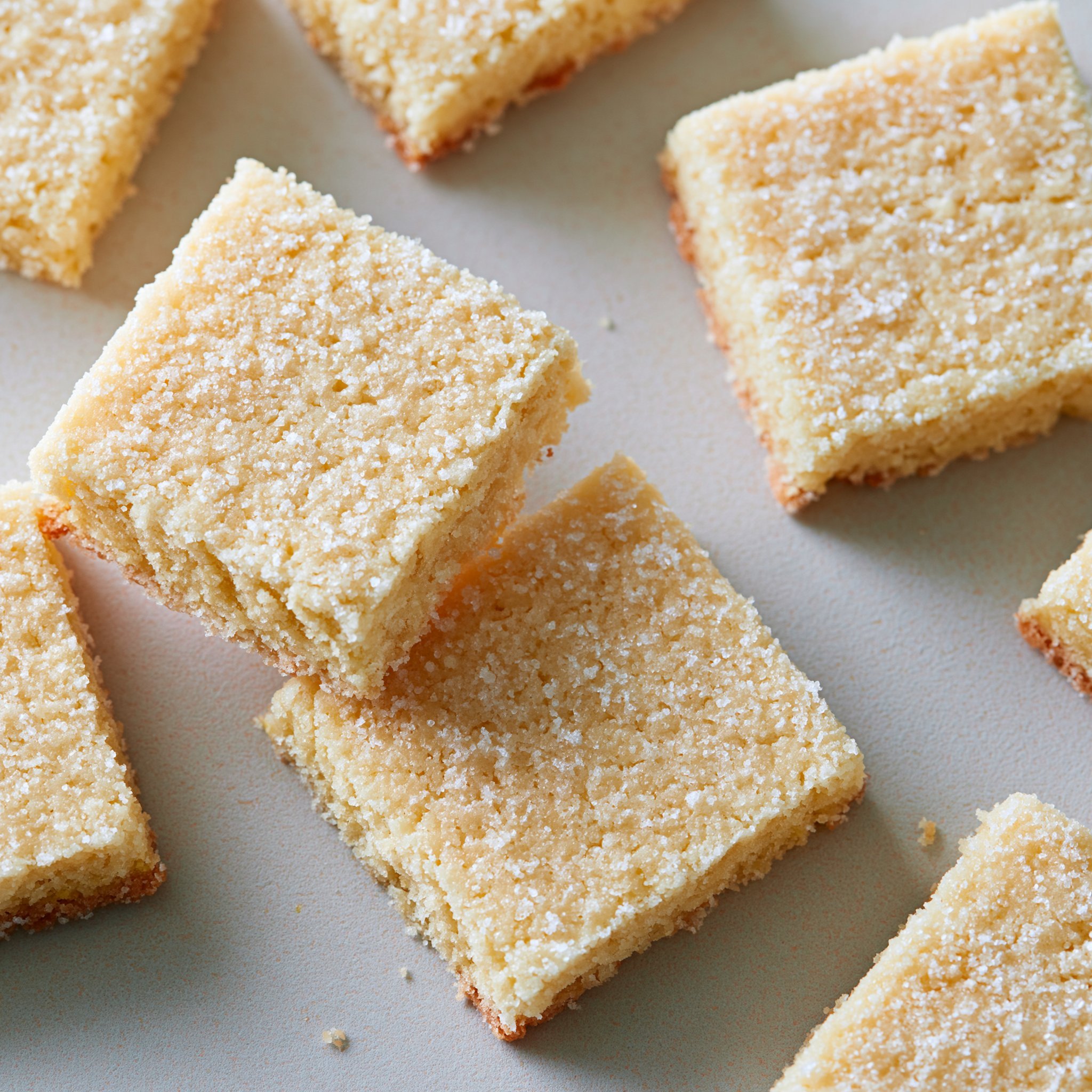
- Bake gently. Bake for 12–15 minutes, watching closely near the end. You’re looking for edges that are barely turning golden—the tops should stay pale.
- Cool in stages. Let the cookies cool on the baking sheets for 5 minutes (they’re fragile when hot), then transfer to cooling racks to finish cooling.
- Store. Once fully cool, store in an airtight container for up to 5 days.
Tips for Best Results
- Soften the butter properly. It should dent easily when pressed, but not look oily or melted—this helps the dough become “damp sand” instead of greasy.
- Stop mixing early. As soon as you see coarse crumbs and the dough holds together when squeezed, you’re done; too much mixing can make the baked texture less tender.
- Roll evenly for even baking. Aim for a consistent thickness across the whole sheet of dough so smaller cookies don’t over-brown while thicker ones stay underbaked.
- Bake for color cues, not just time. Pull them when the edges are only just golden; shortbread continues to set as it cools.
- Let them set on the pan first. That 5-minute rest on the baking sheet prevents breakage and helps the crumb firm up.
Variations and Substitutions
If you want to keep the same short ingredient list, your best “variation” is shape and thickness: go toward 1/2-inch for a more tender, crumbly bite, or closer to 1/3-inch for a slightly crisper finish. You can also cut them into smaller shapes for a shorter bake time (still watch for those barely-golden edges). If you’re craving a cookie without turning on the oven, I keep a stash of ideas like no-bake cinnamon roll cookies for when I want something sweet fast.
How to Serve It
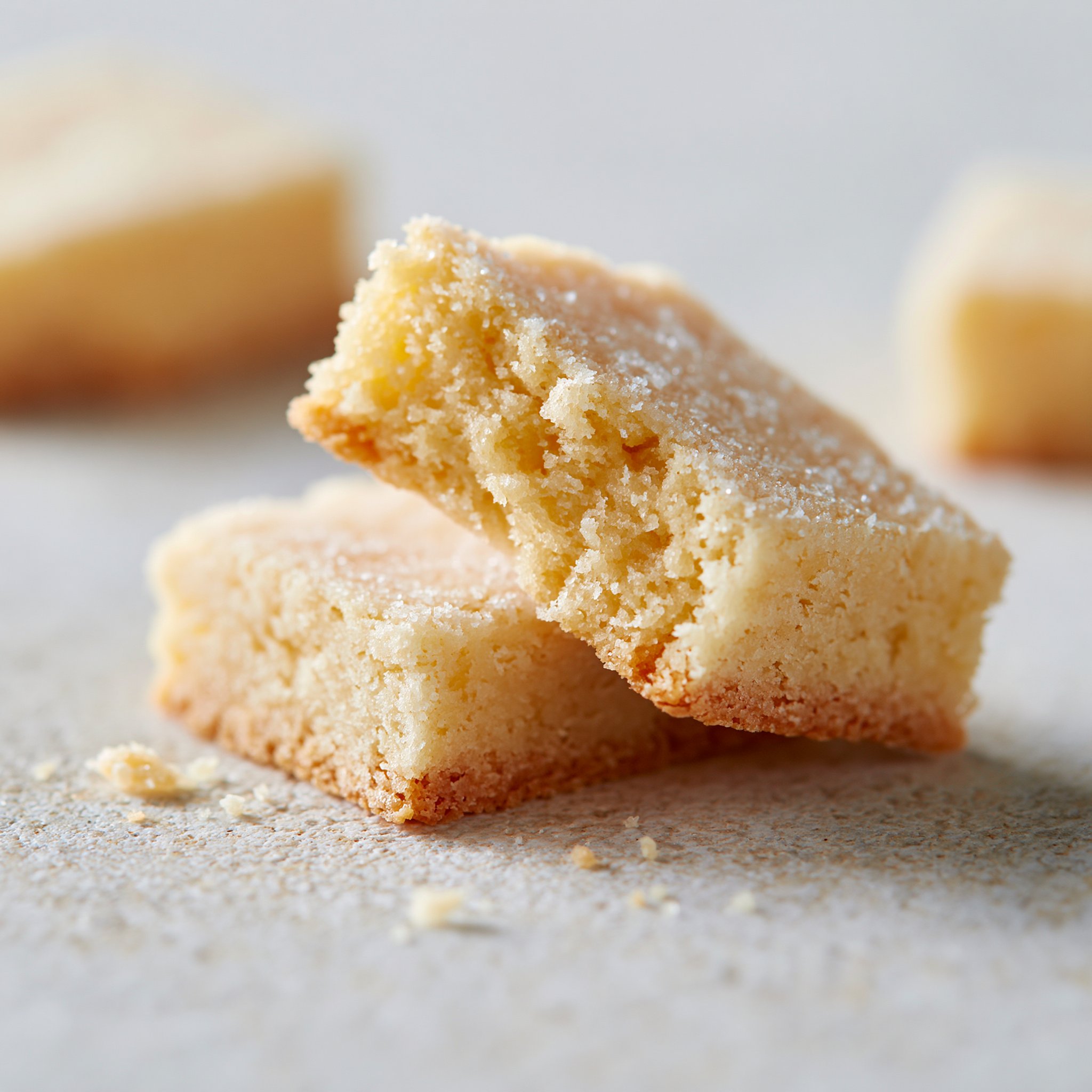
I love these slightly cool or at room temperature, when the buttery aroma is mellow and the texture is fully set. They’re perfect alongside coffee or tea, and they also make a great “cookie board” base with other bite-size treats—something like no-bake coconut cookies adds a chewy contrast next to the crisp-tender shortbread.
How to Store It
Store fully cooled cookies in an airtight container at room temperature for up to 5 days. If you stack them, be gentle—shortbread is sturdy once cool, but the edges can still chip if jostled. For the best texture, keep the container tightly sealed so the cookies stay crisp at the edges and tender through the center.
Final Thoughts
This is the kind of back-pocket recipe that makes you feel like you always have something lovely to offer: buttery, not-too-sweet, and baked just until the edges blush gold—simple steps, classic payoff.
Conclusion
If you’d like to compare techniques and see how other bakers approach classic shortbread, I like reading Perfect Shortbread Cookies (tender & buttery) – Lauren’s Latest, Shortbread Cookies Recipe – Preppy Kitchen, and Classic Shortbread Cookies – 101 Cookbooks—then come back and bake this version when you want that barely-golden edge and sandy-tender center.