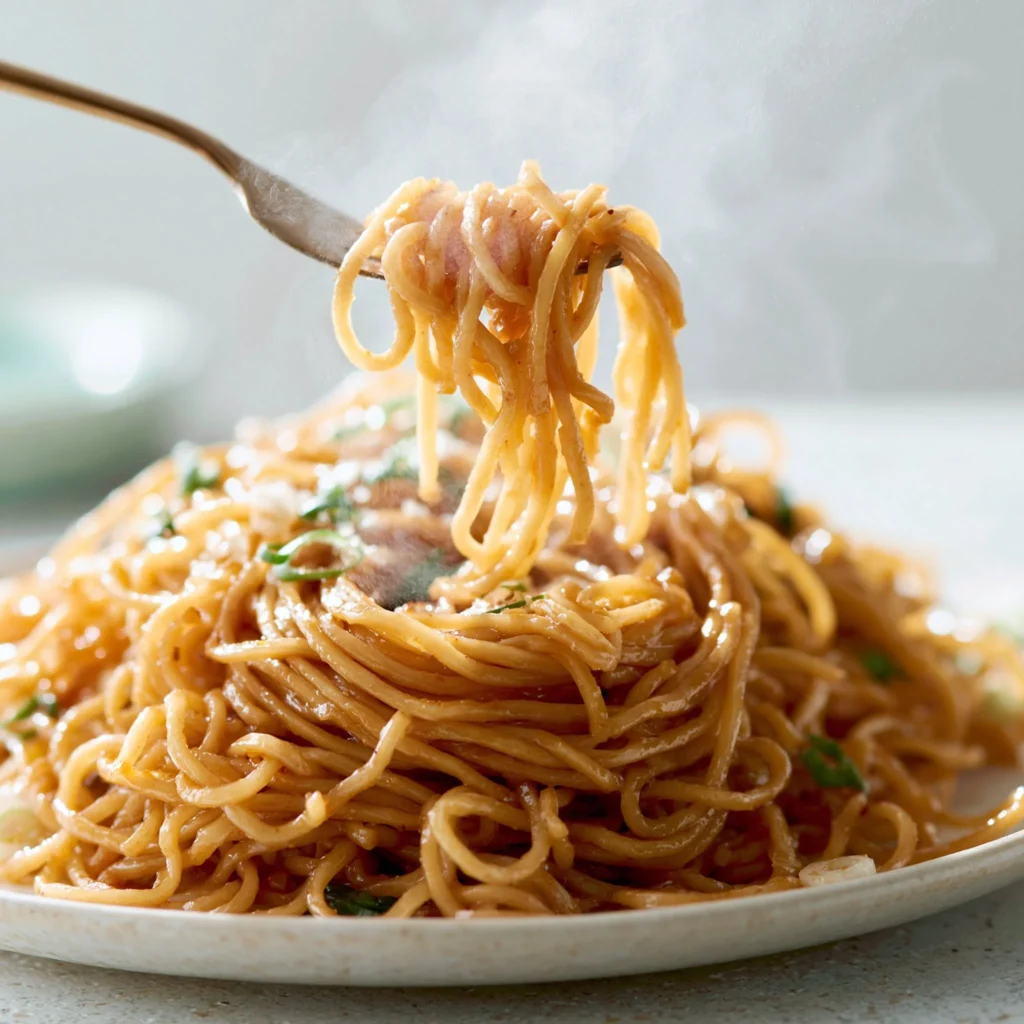
A bowl of plain lo mein can be downright luxurious when the noodles are springy and glossed in a savory, lightly sweet sauce that clings instead of puddling. This version is exactly that: garlicky, ginger-warm, and deeply umami thanks to soy sauce plus a little oyster sauce, with a whisper of toasted sesame added right at the end.
It’s also the kind of fast comfort I make when I want something satisfying but not heavy—especially if I’m already browsing ideas on my recipe blog and need a reliable “no thinking” dinner. The key is a quick cornstarch slurry that turns the sauce silky and gives those noodles that classic takeout-style sheen.
Why You’ll Love This Recipe
- That glossy, clingy sauce: A tiny cornstarch slurry thickens the soy-based sauce just enough to coat every strand instead of sliding off.
- Big flavor from a short list: Garlic, ginger, white pepper, and (optional but worth it) oyster sauce bring a full, savory backbone without extra ingredients.
- Springy noodles, not sticky: Tossing the cooked noodles with a spoonful of oil keeps them separated and ready to stir-fry.
- Customizable color and depth: Dark soy sauce is optional, but it gives the noodles that deeper brown “restaurant” look in seconds.
- Fast stovetop rhythm: The aromatics hit hot oil first, so the kitchen smells like garlic-ginger goodness before the noodles even go in.
The Story Behind This Recipe
I developed this “plain” lo mein as a baseline noodle recipe—the kind you can memorize—because once you have the sauce ratio (light soy + a touch of sugar + white pepper + sesame at the end), you can make a comforting bowl anytime with whatever noodles you have on hand.
What It Tastes Like
Expect savory soy upfront with a gentle sweetness that rounds it out, plus a warm, peppery finish from white pepper (it’s subtly floral and sharper than black pepper). The ginger and garlic perfume the oil, and the final drizzle of sesame oil reads toasty and aromatic. Texture-wise, the goal is tender, springy noodles wrapped in a thin, glossy sauce—not soupy, not dry.
Ingredients You’ll Need
Fresh lo mein noodles are the easiest route to that bouncy, chewy texture, but dried egg noodles work well as long as you cook them just to al dente. Light soy sauce brings salt and savor; dark soy sauce is optional for color; oyster sauce (also optional) adds that unmistakable savory depth. Cornstarch + water makes a quick slurry that gives the sauce its lacquered finish, and sesame oil should go in at the end so it stays fragrant.
- 1 lb fresh lo mein noodles (or 12 oz dried egg noodles, cooked al dente)
- 1 tbsp vegetable oil (for tossing noodles)
- 1/4 cup light soy sauce (or regular soy sauce)
- 1 tbsp dark soy sauce (for color, optional)
- 1 tbsp oyster sauce (optional, but highly recommended for flavor)
- 1 tsp granulated sugar
- 1/2 tsp white pepper
- 1 tsp cornstarch
- 2 tbsp water (for cornstarch slurry)
- 1 tsp sesame oil (to add at the end of the sauce)
- 2 tbsp vegetable oil (or peanut oil)
- 3 cloves garlic (minced)
- 1 tbsp fresh ginger (grated or minced)
- 2 green onions (sliced, white and green parts separated)
How to Make Classic Plain Lo Mein Noodles
-
Prep the noodles.
Cook your noodles if needed (dried egg noodles should be cooked al dente—they’ll soften a bit more in the pan). Drain well, then toss with 1 tbsp vegetable oil to keep them separated. You’re looking for noodles that feel slick and loose, not clumped. -
Mix the sauce until smooth.
In a small bowl, stir together light soy sauce, dark soy sauce (if using), oyster sauce (if using), sugar, and white pepper. In a second small bowl, whisk cornstarch + water into a smooth slurry (no lumps). Add the slurry to the sauce mixture and stir again. Finally, stir in 1 tsp sesame oil—it should smell nutty and fragrant. -
Stir-fry the aromatics.
Heat 2 tbsp vegetable oil (or peanut oil) in a large pan or wok over medium-high heat. Add the white parts of the green onions, then the garlic and ginger. Stir constantly for about 20–30 seconds, just until everything smells bold and aromatic (don’t let the garlic brown, or it can turn bitter). -
Add noodles and sauce; toss until glossy.
Add the oiled noodles to the pan. Pour the sauce over the noodles and toss, lift, and stir for 1–2 minutes, until the sauce tightens slightly and turns the noodles shiny and evenly colored. “Done” looks like: no watery sauce pooling at the bottom, and the noodles look lacquered, not dry. -
Finish and serve.
Toss in the green parts of the green onions right at the end so they stay fresh and bright. Serve immediately while the noodles are hot and springy. If you’re planning a bigger spread, these noodles sit nicely next to something hearty like my classic Philly cheesesteak sandwich (yes, it’s an unexpected combo—and yes, it works).
Tips for Best Results
- Undercook dried noodles slightly. If they’re fully soft in the pot, they can go limp once they hit the hot pan. Al dente gives you that pleasant chew.
- Whisk the slurry well before adding. Cornstarch settles quickly—stir it smooth so you don’t get little translucent gel bits in the finished sauce.
- Keep the garlic moving. With only 20–30 seconds in hot oil, you’ll get aroma without scorching; the moment it turns golden, it’s already heading toward bitter.
- Toss, don’t stir lazily. Lifting and flipping helps the sauce coat evenly and prevents noodle clumps.
- Add sesame oil in the sauce (not to the hot pan). It’s there for fragrance; high heat can mute its toasted aroma.
Variations and Substitutions
- Skip dark soy sauce if you don’t have it. You’ll lose the deeper brown color, but the noodles will still taste savory and balanced.
- Oyster sauce is optional—but noticeable. Without it, the sauce tastes cleaner and more soy-forward; with it, you get a rounder, more “restaurant-style” depth.
- Fresh vs. dried noodles: Fresh lo mein noodles give the springiest bite; dried egg noodles still work well if cooked al dente and tossed with oil.
How to Serve It
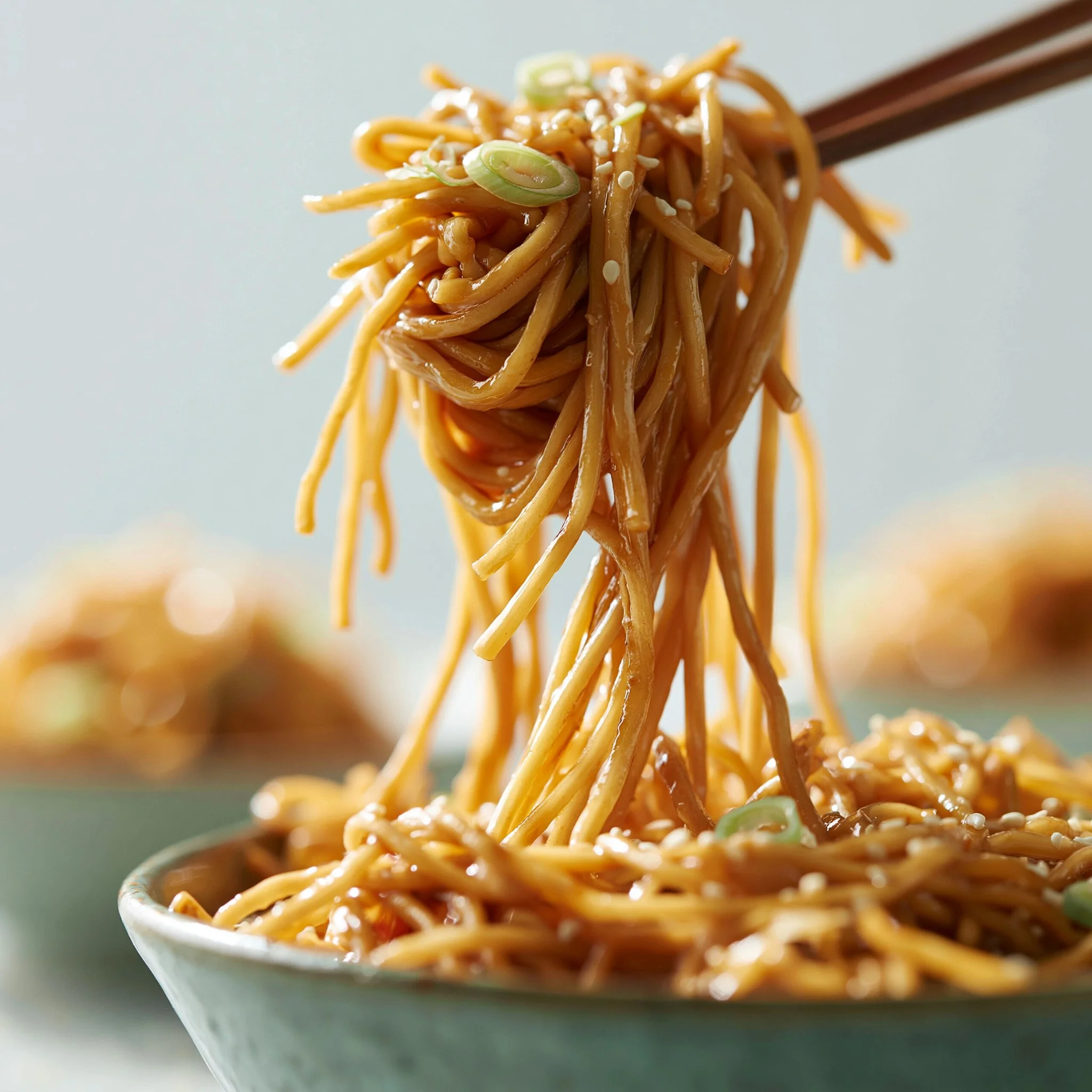
Serve these lo mein noodles piping hot with a shower of the green onion tops for a crisp, oniony finish. I like them as a simple main when I want something cozy but not complicated, or as a base on the table alongside other dishes so everyone can help themselves. For more dinner inspiration in the same approachable, flavor-forward spirit, you can also browse my weeknight recipe collection.
How to Store It
Let leftovers cool, then refrigerate in an airtight container for up to 3 days. To reheat, warm in a pan over medium heat, tossing frequently until the noodles loosen and turn glossy again; if they seem a little stiff straight from the fridge, give them a moment in the warm pan before you decide they’re dry. (Because the sauce is thickened with cornstarch, it will firm up when cold and relax again with heat.) If you’re meal-planning, you can also mix the sauce in advance and keep it chilled; just stir well before using so the cornstarch is evenly distributed—similar to the make-ahead approach I use with other quick dinners on Citrus and Crave.
Final Thoughts
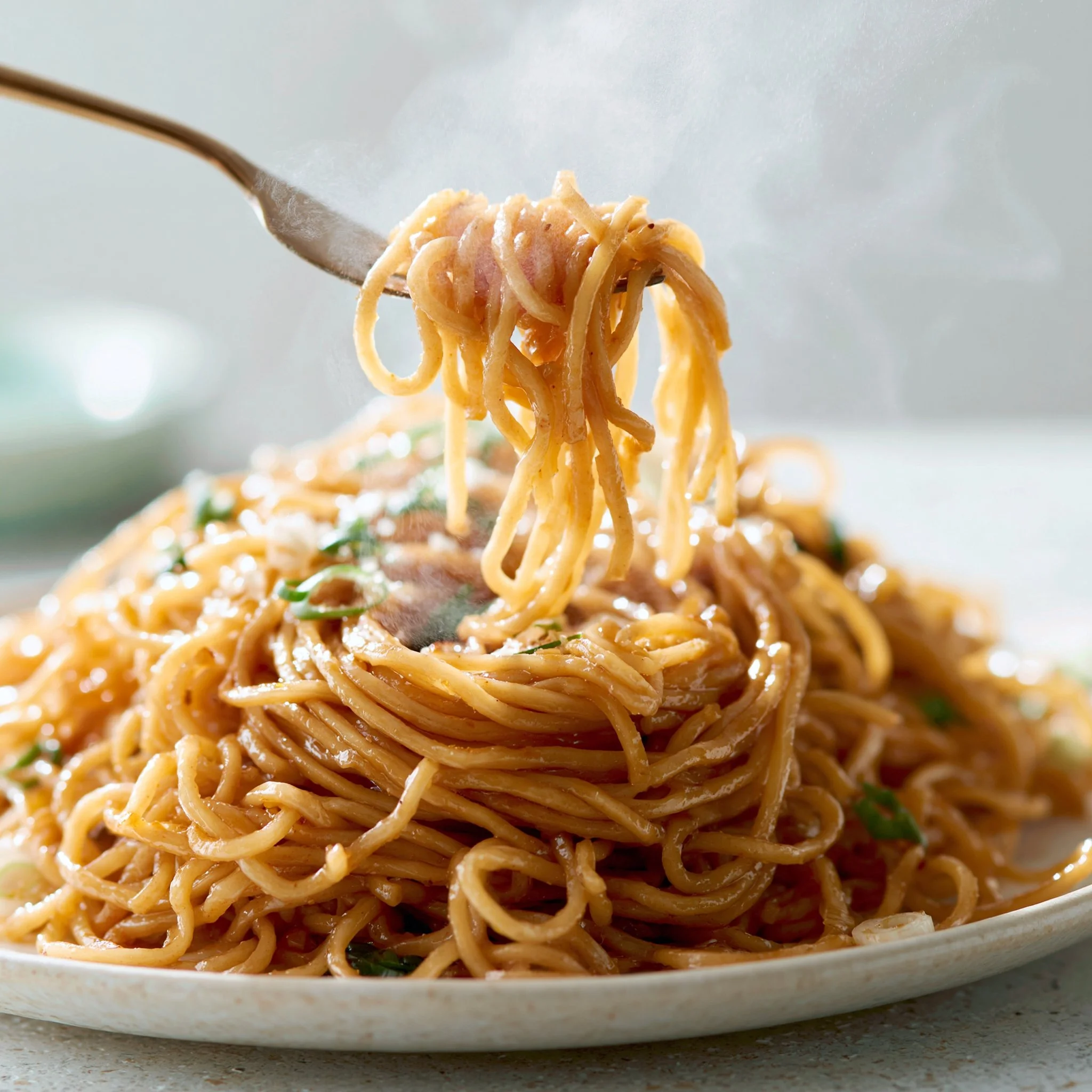
If you’ve ever wanted a plain lo mein that doesn’t taste plain, this is the one: springy noodles, a glossy soy-ginger-garlic glaze, and that toasty sesame finish that makes the whole bowl feel complete. Once you make it once, it’s the kind of simple, reliable noodle recipe you’ll start cooking from memory.
Conclusion
If you want to compare techniques and noodle styles, these guides are genuinely helpful: Lo Mein Noodles (Classic HK Style), Jet Tila’s Classic Lo Mein (Noodles) Recipe, and Nagi’s approachable Lo Mein Noodles.
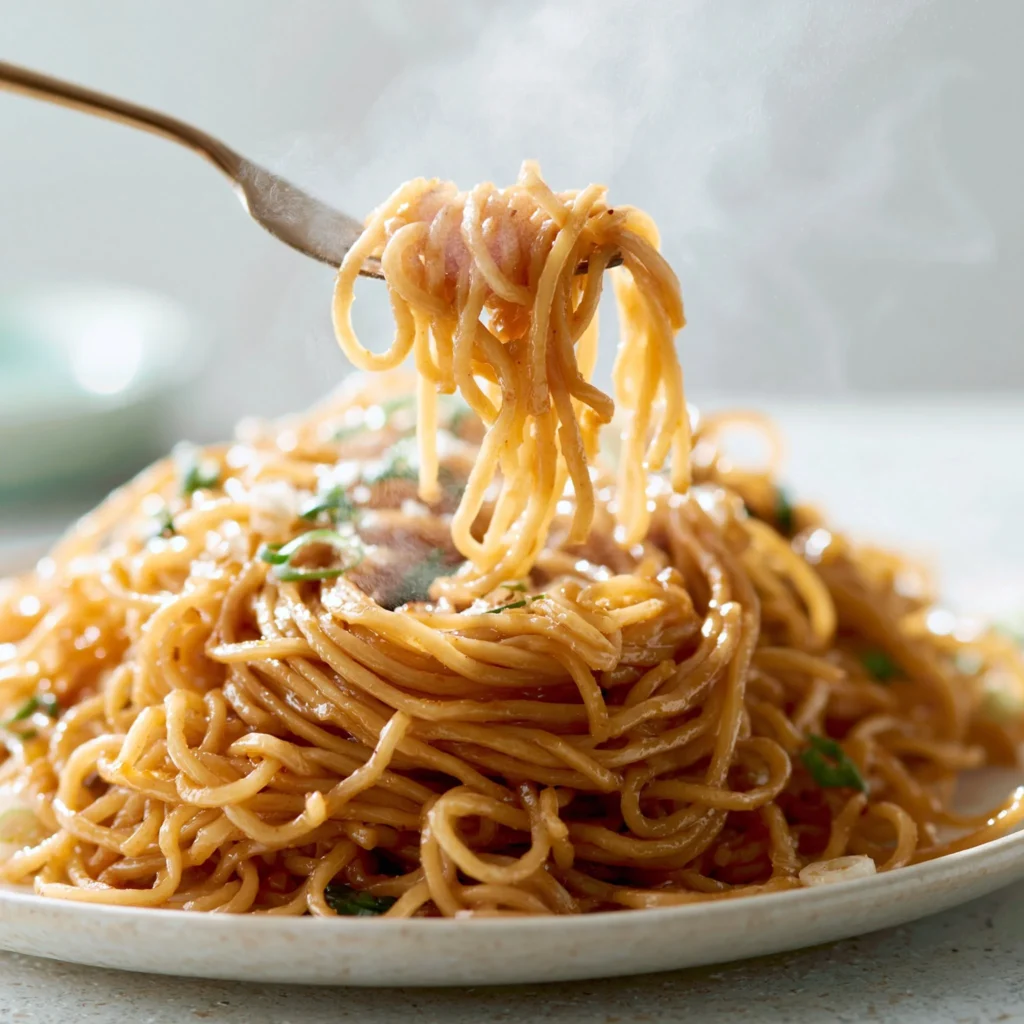
Classic Plain Lo Mein Noodles
Ingredients
Method
- Cook your noodles if needed (dried egg noodles should be cooked al dente). Drain well, then toss with 1 tbsp vegetable oil to keep them separated.
- In a small bowl, stir together light soy sauce, dark soy sauce (if using), oyster sauce (if using), sugar, and white pepper.
- In a second small bowl, whisk cornstarch + water into a smooth slurry (no lumps) and add to the sauce mixture. Stir in sesame oil last.
- Heat 2 tbsp vegetable oil in a large pan or wok over medium-high heat. Add the white parts of the green onions, then the garlic and ginger. Stir constantly for 20–30 seconds.
- Add the oiled noodles to the pan. Pour sauce over the noodles and toss, lift, and stir for 1–2 minutes until the sauce tightens and the noodles look shiny.
- Toss in the green parts of the green onions right at the end. Serve immediately while the noodles are hot.